
Exploration of Medical Treatments Offered by Hospitals Worldwide
Content
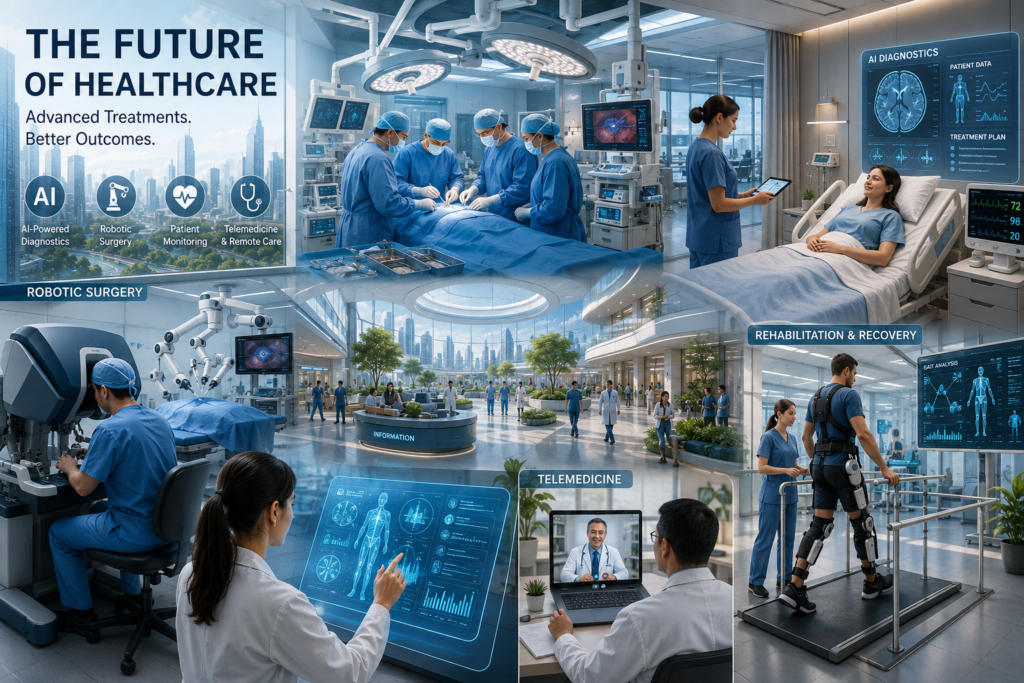
Hospitals are among the most important institutions in modern healthcare. Across different countries, they provide medical services that range from routine examinations and diagnostic testing to emergency treatment, surgery, rehabilitation, and highly specialized care. The exact services available depend on the hospital’s size, medical staff, technology, facilities, and the healthcare system in which it operates.
Understanding the treatments and services offered by hospitals worldwide can help people become more familiar with modern healthcare and the different forms of professional medical support available.
Diagnostic Services and Medical Evaluation
Diagnosis is often the first major step in treating a health problem. Hospitals use a combination of medical examinations, laboratory tests, imaging technologies, and specialist consultations to identify possible causes of symptoms.
Common diagnostic services include blood and urine tests, X-rays, ultrasound, CT scans, and magnetic resonance imaging (MRI). Some hospitals also provide more specialized testing, including pathology, cardiac investigations, genetic testing, and other laboratory procedures.
The type of diagnostic evaluation depends on the patient’s symptoms, medical history, physical examination, and the judgment of qualified healthcare professionals. Accurate diagnosis helps doctors determine whether a patient may benefit from medication, surgery, monitoring, rehabilitation, or another form of treatment.
Emergency and Urgent Medical Treatment
Emergency departments provide immediate medical assessment for people experiencing serious or unexpected health problems. Hospitals may treat severe injuries, breathing difficulties, serious infections, sudden neurological symptoms, acute pain, and other urgent conditions.
Emergency teams commonly begin with an initial assessment to determine the seriousness of a patient’s condition. Depending on the situation, treatment can include monitoring, medication, diagnostic testing, procedures, or emergency surgery.
Some healthcare systems also have urgent-care centers that handle conditions requiring prompt medical attention but not necessarily emergency hospital admission. These services can help reduce pressure on emergency departments while providing patients with timely care.
Surgical Treatment
Surgery is an important part of hospital medicine and can be used to treat injuries, structural problems, diseases, and other medical conditions. Hospitals may offer general surgery as well as specialized procedures in areas such as orthopedics, cardiovascular medicine, neurosurgery, gynecology, urology, and ophthalmology.
Modern hospitals may use minimally invasive surgical techniques when appropriate. These procedures can involve smaller incisions and specialized instruments, although the suitability of any technique depends on the individual medical situation.
Before surgery, healthcare professionals generally evaluate the patient’s health, explain the proposed procedure, discuss potential risks and benefits, and provide information about recovery and follow-up care.
Chronic Disease Management
Many patients need ongoing treatment rather than a single hospital visit. Hospitals and specialist clinics can support people living with chronic conditions through regular examinations, medication management, diagnostic testing, specialist consultations, and lifestyle guidance.
Examples include cardiovascular disease, diabetes, respiratory disorders, kidney conditions, neurological diseases, and other long-term health problems.
Effective chronic-care management often involves cooperation between hospitals, primary-care providers, nurses, pharmacists, therapists, and other healthcare professionals. Regular follow-up can help medical teams monitor changes and adjust treatment when necessary.
Cancer Treatment and Oncology Services
Cancer care is one of the most specialized areas of modern hospital medicine. Depending on the type and stage of cancer, hospitals may offer diagnostic procedures, surgery, chemotherapy, radiation therapy, immunotherapy, targeted therapies, and supportive care.
Cancer treatment is usually individualized. Doctors may consider the cancer type, location, stage, laboratory findings, imaging results, overall health, and previous treatment when developing a care plan.
Many specialized cancer centers use multidisciplinary teams. These teams can include oncologists, surgeons, radiologists, pathologists, nurses, pharmacists, nutrition professionals, and other specialists who work together to coordinate patient care.
Maternal and Women’s Healthcare
Hospitals around the world provide a variety of services related to women’s health. Maternity departments may provide prenatal monitoring, labor and delivery services, postpartum care, and treatment for pregnancy-related complications.
Some hospitals also offer gynecological services for conditions affecting the reproductive system. Depending on the facility, these may include diagnostic examinations, medical treatment, minimally invasive procedures, and surgical care.
The availability of specialized women’s healthcare can vary significantly between hospitals and countries.
Pediatric and Newborn Care
Children often require healthcare services designed specifically for their age and developmental needs. Hospitals may provide pediatric consultations, diagnostic services, treatment for childhood illnesses, and emergency pediatric care.
Larger medical centers may have neonatal intensive care units for newborns who require specialized monitoring and treatment. Pediatric hospitals can also provide advanced care for complex conditions that require teams with specialized experience in children’s medicine.
Rehabilitation and Recovery
Recovery can continue long after a patient leaves the hospital. Rehabilitation services are designed to help people regain or improve physical, communication, cognitive, or everyday functional abilities after illness, injury, or surgery.
Physiotherapy may focus on movement, strength, balance, and mobility. Occupational therapy can help patients develop or regain skills needed for daily activities. Speech and language therapy may support people experiencing communication or swallowing difficulties.
The specific rehabilitation program depends on the patient’s condition, goals, and professional assessment.
Mental Health and Supportive Care
Mental healthcare is increasingly recognized as an important part of comprehensive healthcare. Hospitals and specialized medical facilities may provide psychiatric assessment, psychological support, medication management, crisis services, and continuing treatment.
Hospitals may also offer palliative and supportive care for people with serious illnesses. These services can focus on symptom management, comfort, communication, and support for patients and families.
Advanced and Specialized Medical Services
Large hospitals and academic medical centers may provide highly specialized treatments that are not available in smaller facilities. Examples can include advanced cardiovascular procedures, complex neurological surgery, organ transplantation, specialized cancer treatment, intensive care, and advanced diagnostic technologies.
Access to these services varies considerably around the world. Factors such as healthcare funding, medical infrastructure, availability of specialists, technology, and geographic location can influence what treatments are accessible to patients.
Choosing Appropriate Hospital Care
When seeking medical treatment, patients should consider factors such as the hospital’s specialties, professional qualifications, available diagnostic facilities, treatment options, follow-up services, and accreditation where applicable.
For complex or significant medical decisions, discussing the condition with a qualified healthcare professional is important. A second medical opinion can sometimes provide additional information about possible treatment approaches.
Patients should also give healthcare professionals accurate information about medications, allergies, previous treatments, and relevant medical history.
Conclusion
Hospitals worldwide provide an extensive range of medical treatments and healthcare services. These include diagnosis, emergency care, surgery, chronic disease management, cancer treatment, women’s and children’s healthcare, rehabilitation, mental health services, and specialized medical procedures.
Although the availability of treatments differs between countries and hospitals, healthcare continues to evolve through improvements in medical research, technology, diagnostics, and patient care. Understanding the services available can help people communicate more effectively with healthcare professionals and make informed decisions about seeking appropriate medical attention.
Medical information should always be discussed with qualified healthcare professionals, since the most suitable treatment depends on each person’s individual health circumstances.